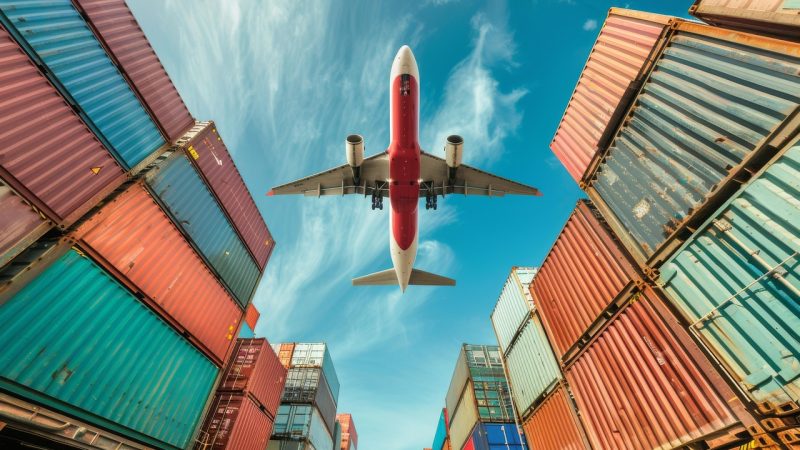
Nearshoring is no longer a promise, it's a reality transforming Mexico's industrial structure. But something is changing: the conversation is no longer about whether relocation will happen, but how to sustain it over time.
The second phase has begun
Between 2026 and 2028, what experts call the second phase of nearshoring will take shape. The challenge is no longer attracting investment, but ensuring the logistics networks connecting Mexico, the United States, and Canada operate with the speed, reliability, and visibility that an increasingly integrated production system demands.
The numbers back up this transformation. Mexico received close to $181 billion in foreign direct investment since 2021, about 20% more than in the previous five years, reaching record levels in 2025. Much of this investment is concentrated in advanced manufacturing, automotive, electronics, and medical devices.
In the first quarter of 2026, FDI reached $23.591 billion, with 10.4% annual growth. Reinvestment of earnings stood out in particular, growing 33.5% annually, indicating that already-established companies are expanding operations rather than just arriving in the country.
The paradox: close, but not efficient
This is where the nearshoring paradox comes in: geographic proximity promises efficiency, but a lack of operational capacity can cancel out that advantage.
And the diagnosis is worrying. Logistics costs in Mexico average around 17% of a company's sales, according to the National Logistics Indicators Study (ENIL). In some sectors they reach up to 41%. In developed economies, that share ranges between 8% and 20%.
The bottlenecks are structural:
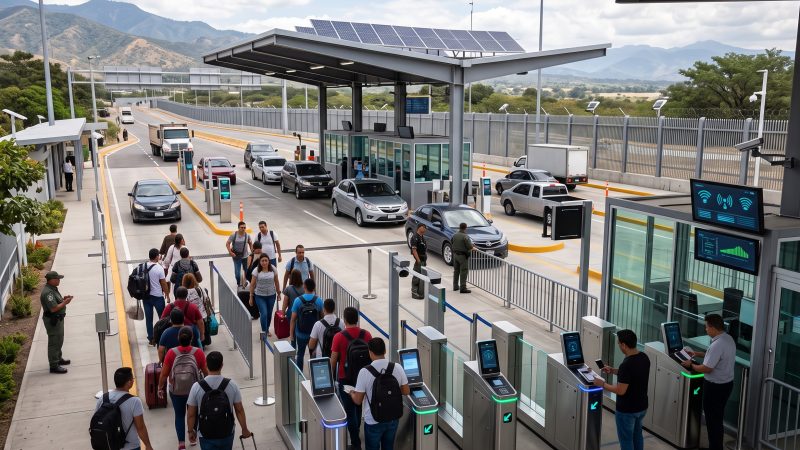
- Saturated border crossings, with long wait times affecting operational reliability
- Ports like Manzanillo and Lázaro Cárdenas operating near capacity
- ● Shortage of specialized logistics talent that can integrate advanced planning, foreign trade, and data analytics
The strategic risk
Nearshoring isn't lost because investment doesn't arrive. It's lost when operations can't sustain themselves over time under competitive conditions. When logistics costs become unpredictable, when timelines stop being reliable, when operational complexity outweighs the benefits of relocation. The risk isn't failing to attract companies. The risk is failing to retain them.
The USMCA review, scheduled for July 2026, will be a turning point. The automotive, electronics, and medical device sectors are already poised to launch new projects, but the rules of origin are stricter: 75% of a vehicle's parts must be manufactured in the region. This pushes suppliers to set up local operations — and fast.
Where's the opportunity?
Industries that integrate deep — but easy to interpret — digitalization will cut inventories, improve service levels, and contain transport costs even in volatile environments.
The difference is no longer about having infrastructure. It's about managing with data and standardized processes.
At Elogistix we understand that nearshoring 2.0 demands more than transport: it demands operational certainty. With a presence at key border crossings and a network of partners covering North America, we turn geographic advantage into real speed.
—
Sources consulted:
- T21: «Nearshoring 2.0: la batalla logística que definirá la integración industrial de Norteamérica» (2026)
- Mundi: «El futuro del nearshoring en México hacia 2026» (2026)
- T21: «Nearshoring en México: atraer inversión no es suficiente, el reto está en sostenerla» (2026)
- T21: «La paradoja del nearshoring: cuando la ventaja geográfica no basta» (2026)
- Expansión: «El nuevo mapa del supply chain mexicano» (2026)
- Xinhua: «Consultora EY prevé consolidación de México en relocalización» (2026)